

Lone Tree Wilderness Camp at Tswehe Wildlife Reserve
We crossed from Zimbabwe back into South Africa at Beitbridge and stayed overnight at Mapesu Wilderness Camp as a stopover before crossing into the Tuli Block.
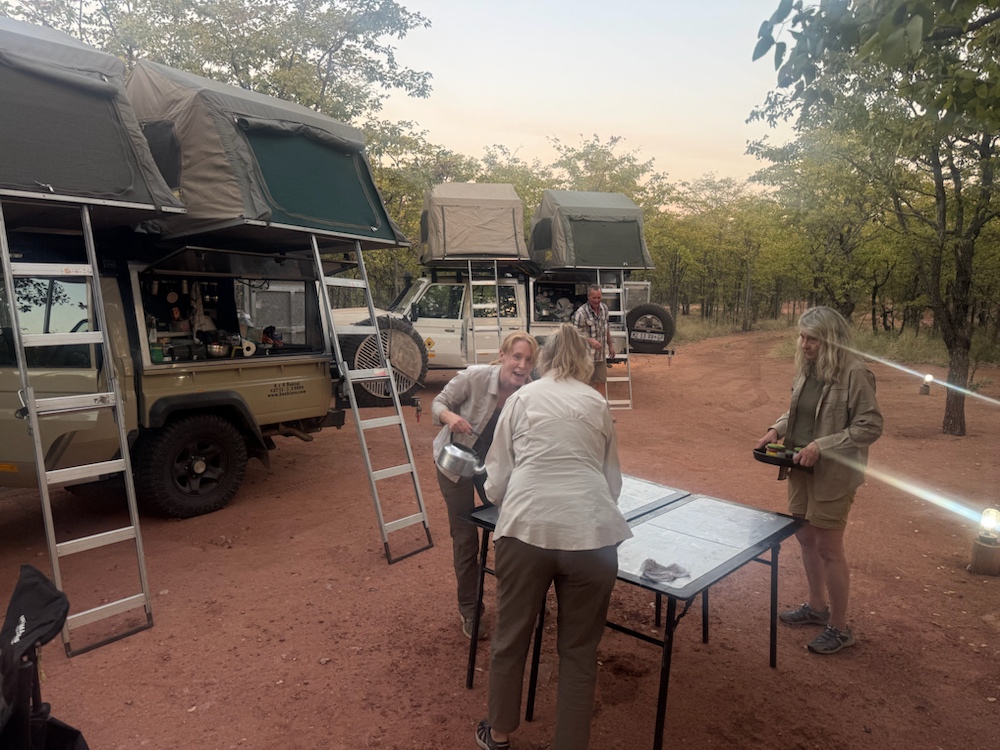 Mapesu Wilderness Camp
We were all thankful for a short drive from our resupply in Musina, even though this reserve wouldn’t allow for any game self-driving. At least the road into the camp from the entrance gave us 30 minutes or so of viewing, seeing antelope and giraffe along the way. The camp and property were very nice and possibly worth a two-night stay in the future with some guided drives from the lodge.
One highlight here that I didn’t witness but others did: a small group of wild dogs passed by our camp, running through a mostly dry wash that bordered our space. Thankfully Scott and Jeanne (our first-timers who had never seen wild dogs) were able to see them.
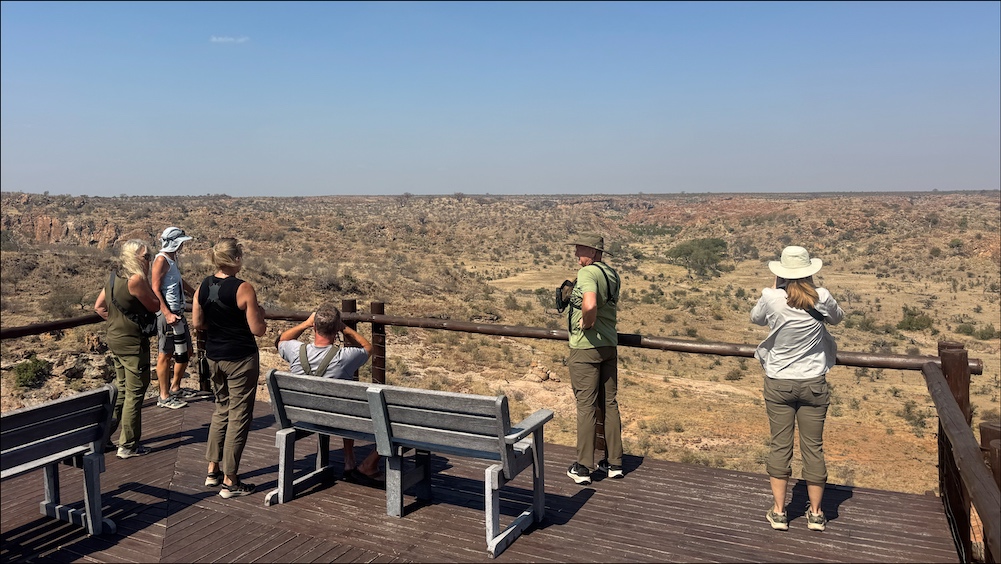 Landscape near confluence and South Africa, Zimbabwe, and Botswana border
As we made our way from camp to the next border crossing, we noticed some beautiful landscape on the right as well as some well-constructed buildings. Turns out it was Mapungubwe National Park, a SAN Park that covers the South African side of the Limpopo and Shashe confluence, and also the South Africa, Zimbabwe, and Botswana border. The visit was included in the Wild cards we had already purchased and was worth our time - some antelope including klipspringer, some beautiful terrain, and a fun one-way 4x4 downhill rocky ride.
Lots of birds at the confluence overlook picnic area and a great stop for lunch and filling our water tanks with our newly acquired hose.
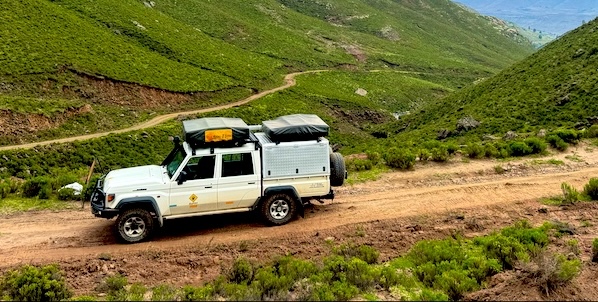
We made our crossing at Platjan then drove the 20 km or so off-road path to Lone Tree Wilderness Camp at Tswehe Wildlife Reserve.
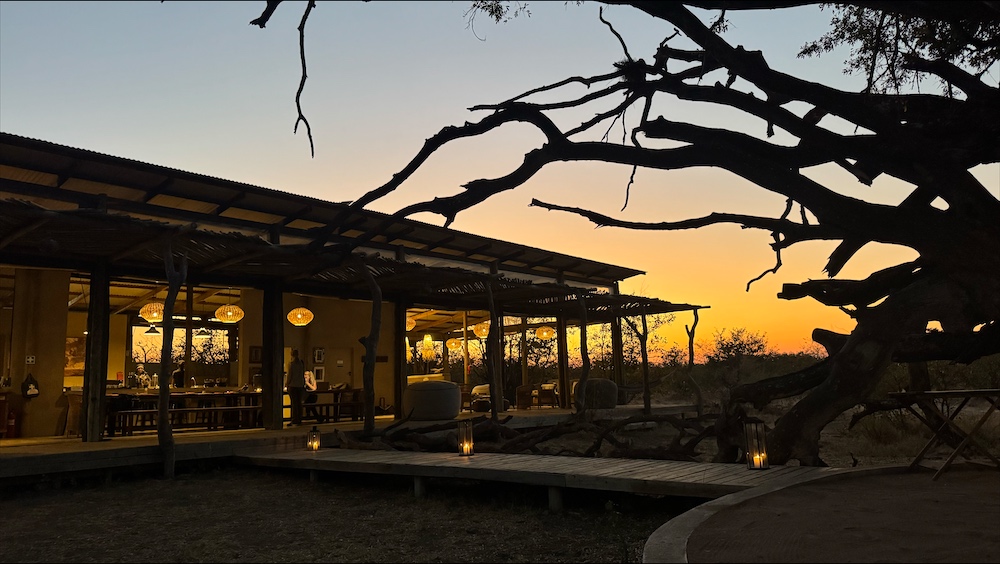 The common area at Lone Tree Camp
This was a unique experience for us that will unfold as I describe our stay. The camp itself is glamping style: walled tents with attached outdoor (but floored) bathroom and cold shower. The centerpiece is the common area: a beautifully designed covered and open on three sides space where you hang out, have meals, nap, and so on.
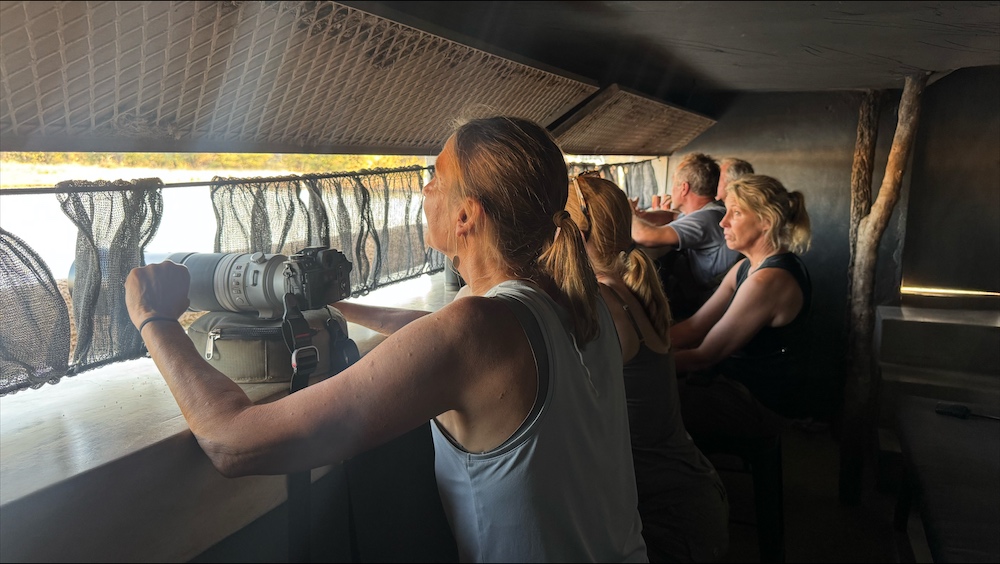 Viewing birds and game from the hide
They only offer a single game drive each day, in the morning, so our afternoon / early evening option was to walk out with our guide Israel to the hide, about 100m-200m from the common area. This is an in-ground bunker with two rotating shutters the open up to give a viewing angle just above water level. You also put up bunjee-style mesh blocks to make it harder for the animals to pick up your eyes, but it was clear to us that the smarter animals absolutely knew when we were present.
I got some of the best bird photos I’ve ever taken while sitting in this hide, which I’ll share soon in another post.
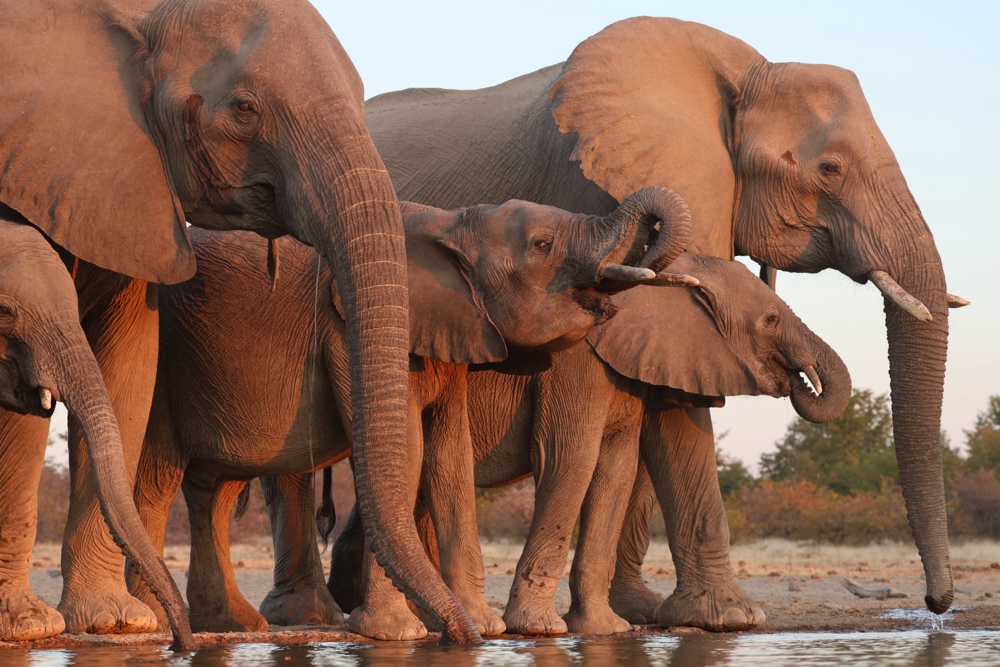 Elephant family watering at the hide hole
The highlight for everyone was when an elephant family would saunter onto the plain and confidently stroll over to the watering hole. It was clear that they knew we were in the hide, and further clear that they did not care. They would drink, rinse off, fight over position to get to the cool water jet refilling the pool, and sometimes interact directly with the hide. Once while sitting on the common area patio we saw a large adult bring water into his trunk, spray the water all over the top of the hide, then rub their trunk all over the top for a watery cleaning massage.
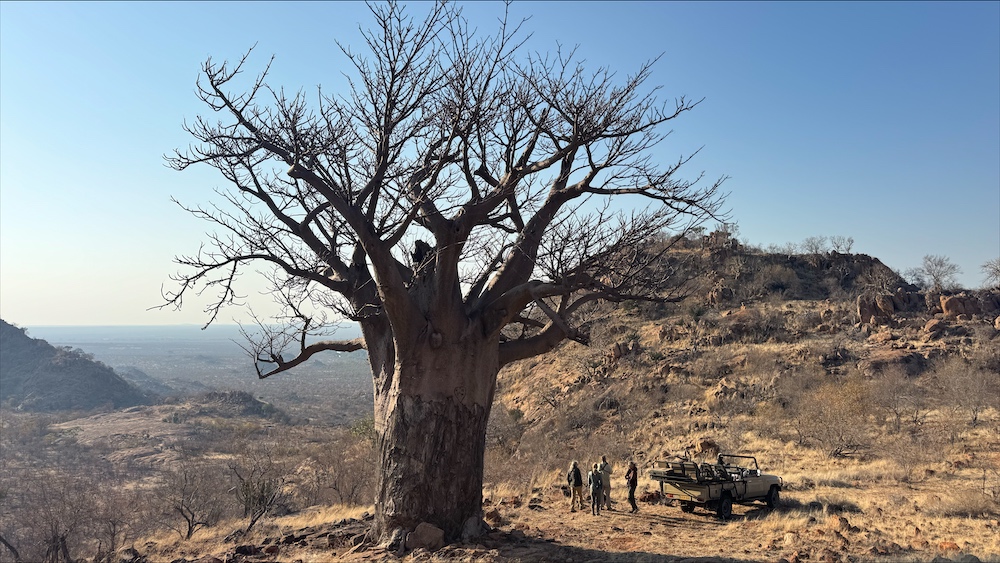 Exploring the rocky hills above the Limpopo
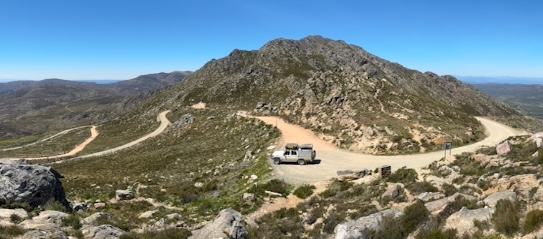
Israel warned us that our game drives might not have a lot of game. With a three night stay we would have three opportunities for driving, and on the first day we decided to trek down to the Limpopo for a bush walk along the river, stopping along the way at one of the rocky peaks (kopjes) for some grand views. The bush walk was pleasant along the river with most of the activity revolving around the birds converging in the still strongly flowing Limpopo.
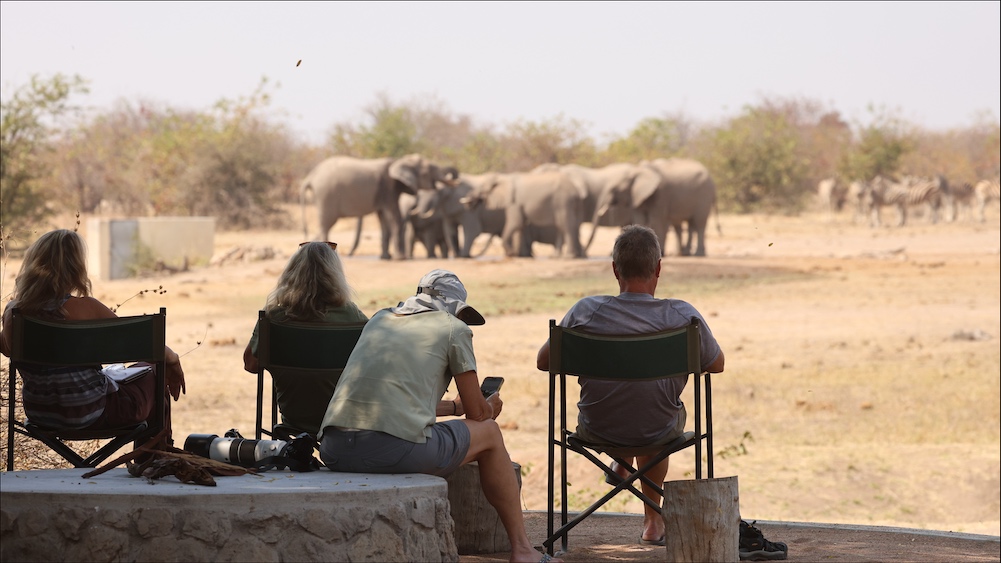 Viewing game from patio at Lone Tree Camp
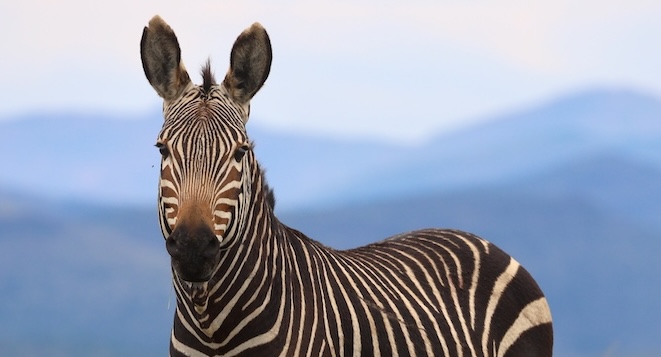
I enjoyed the slower pace, dipping in the pool, napping in a hammock, catching up on photo work and some tasks from school teaching, and just hanging out on the patio watching the animals come and go from the pool.The zebras were especially fascinating, and skittish: they would stand in the plain about 50m from the hide and only come to the water once they were confident that the shutters were closed and nobody was there.
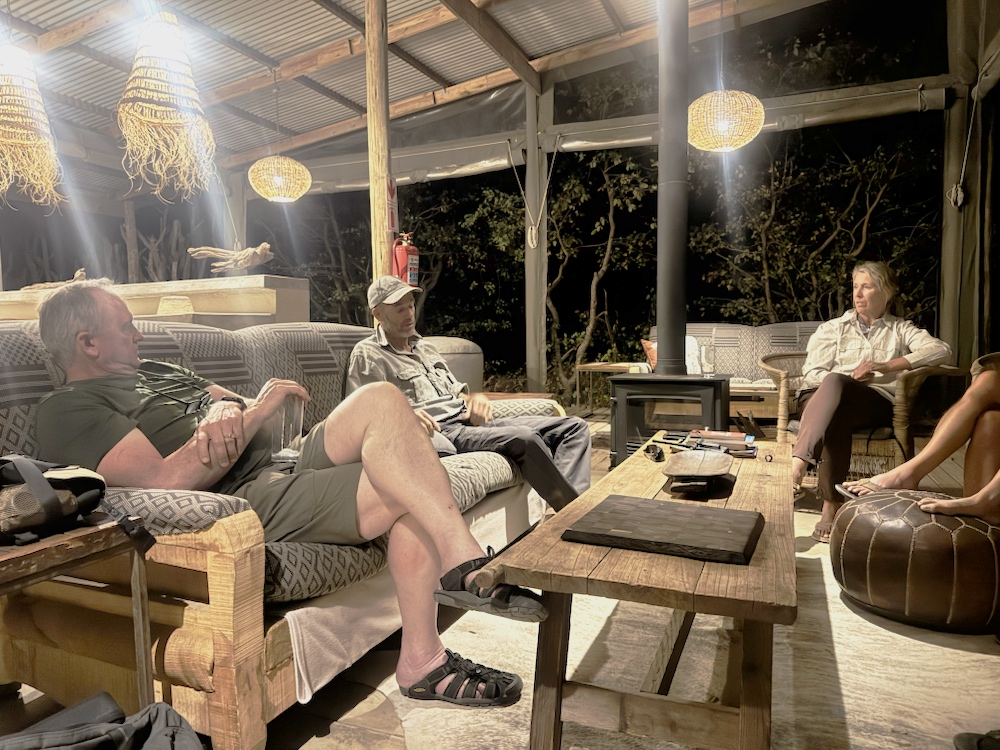 Lloyd talking us through the Tswehe origin story
On our final night co-owner of Tswehe Lloyd joined us for about an hour to discuss the origins of Tswehe. He and wife Isabel started their lease about a month before COVID, with a plan to build a different sort of wildlife reserve. They want to keep it open (unfenced) to allow game to wander to and from the greater Tuli Block, and emphasize a sustainable approach to safari with smaller built infrastructure, less driving, and enjoying what the landscape offers. This in contrast to focusing on big 5 (elephant, lion, leopard, buffalo, and rhino) transactional viewing. There are specific tactics, for example, for attracting and desensitizing leopards to human contact that they prefer to avoid. They also want to avoid building a vast road network in the wilderness.
Sadly some new road construction is required: the nearby town to the north is constantly threatening the reserve with illegal snares for poaching (indiscriminately) for food. Their guide Israel has a background in anti-poaching and insisted that a north-south road to the northern edge of the property (which is closest to the town) is necessary for patrolling purposes. Much of this road opened for us on the second day of our visit and we were able to explore that part of the reserve, the opposite half of where we were on our first day.
This strategy presents some serious challenges to their business model: booking traffic often comes from influencers posting stories of leopard or lion sighting on social media. The struggle is real for Isabel and Lloyd and our group offered as much feedback as we could on our views of the value proposition: beautiful terrain, a peaceful setting, and the awesomeness of the hide for animal viewing and photography.
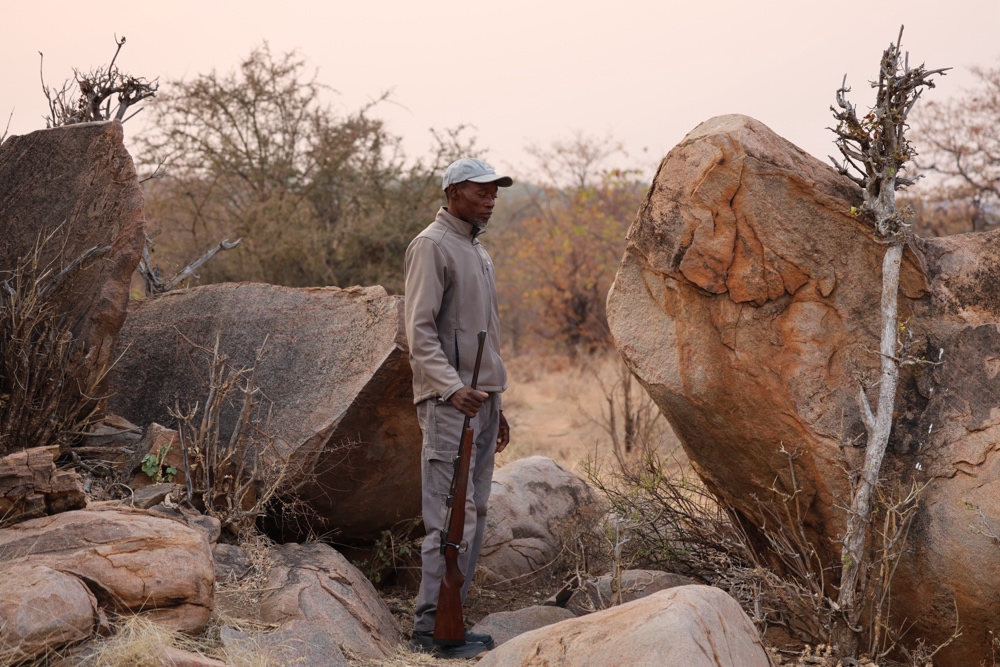 Guide Israel describing some ancient pictographs
On our final morning before departing for the interior of Botswana we did a short drive with Israel (Tenya stayed back to sit in the hide) to see some ancient (20,000+ year old) Bushman pictographs. They were beautiful and of a quality level (in terms of realistic human depiction) that surpasses what we’ve seen in the SW USA. Before we head back to the Kalahari I want to do more research on the scholarly work done on this rock art that is wide ranging throughout southern Africa.